


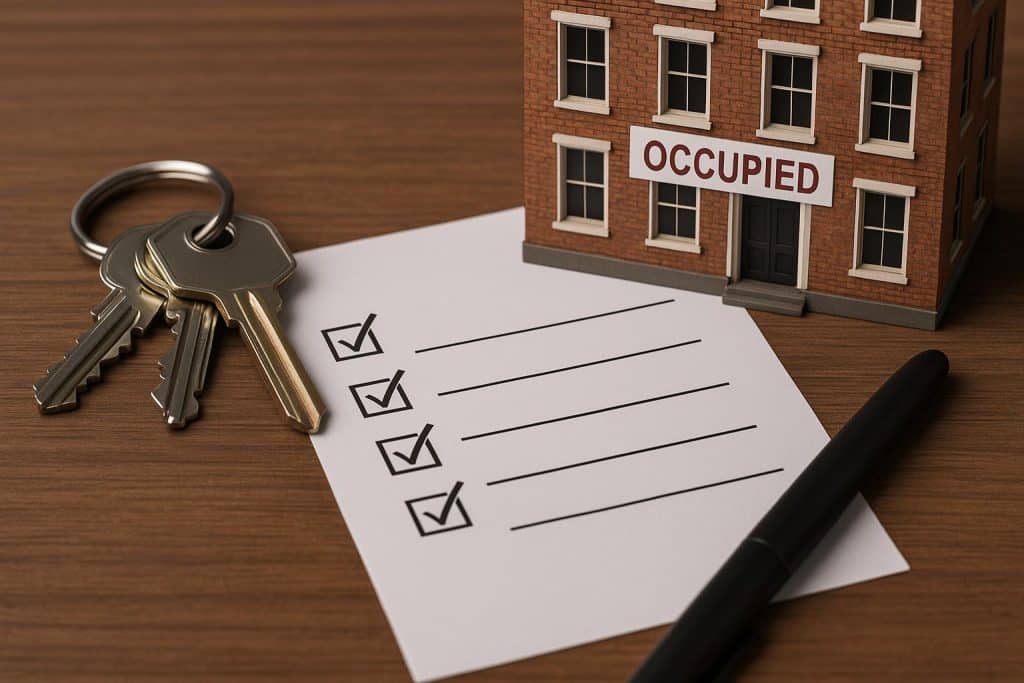
CW Realty Management LLC is a Brooklyn-based real estate development and property management company whose work centers on research, risk mitigation, and responsible urban development. Established in 2025, the firm has built and managed residential, mixed-use, and commercial projects across New York City, with a strong concentration in Brooklyn neighborhoods such as Williamsburg, Crown Heights, Greenpoint, Bay Ridge, and Bushwick. Its portfolio includes ground-up construction, rehabilitation and conversion work, and expansion projects. That combination of acquisition analysis, operational stewardship, and tenant relations makes the company a relevant voice on what buyers should review before purchasing a building with existing tenants. The topic requires close attention to lease structure, building performance, compliance exposure, and the practical realities of managing occupied property after closing.
What to Check Before Buying a Building With Existing Tenants
Buying a building with existing tenants means buying a property with active leases and tenants already paying rent. In practical terms, the buyer is purchasing a rent-producing operation, not an empty building. In New York City, lenders often require extensive documentation, and housing rules can turn small oversights into costly delays.
The lease controls what the buyer can charge, what the tenant can require, and what the owner must provide. A buyer should review the rent amount, lease term, renewal options, and any limits on landlord access. Many leases also assign repair responsibilities and specify the notice required before entry.
A seller may provide a rent roll, but a buyer should confirm whether the building’s income matches the rent tenants actually pay. A rent roll lists units, rents, and lease dates, but it can look clean even when the payment history does not. Buyers should request ledgers or deposit records to confirm whether tenants consistently paid the full amount or built up unpaid back rent.
Security deposits need a separate review because New York rules set specific requirements for how owners must handle them. A buyer should confirm deposit amounts on a unit-by-unit basis and document the transfer at closing. Missing or inaccurate deposit records can create disputes long after closing and leave the new owner responsible for money they never received.
Maintenance history helps the buyer forecast major expenses. Work orders, invoices, and service contracts indicate whether the building has recurring issues that signal a larger repair ahead. Buyers should look for patterns, such as recurring roof leaks, boiler service calls, or plumbing backups, rather than treating them as isolated events.
Buyers should treat compliance rules and tenant protections as a separate risk category. City records can show whether the property has open violations, unresolved complaints, or unpermitted work that still requires correction. Some apartments fall under legal protections that restrict rent increases or require renewal offers beyond the lease, which can slow rent increases or lead to empty units.
A buyer should confirm who pays for heat, hot water, common-area electric, trash, and water service. In New York City, owners must provide heat and hot water, which can create major cost exposure in older buildings. These costs can reduce the amount left after expenses, even when headline rents appear strong.
A buyer should evaluate tenant mix based on lease terms, not personal assumptions about occupants. Buyers should look for concentration risk, such as a single tenant accounting for most of the building’s income or multiple leases expiring in the same year. A building can appear stable until a cluster of expirations creates sudden vacancy exposure.
Financing adds another approval layer beyond the purchase contract. Lenders review leases, rent rolls, operating statements, and third-party building-condition reports to confirm that the building’s income can support the loan payment and future reserve needs. If the documentation is incomplete or inconsistent, the lender may reduce the loan amount or delay approval, forcing the buyer to renegotiate or bring additional cash.
A buyer should treat the due diligence period as the only time to demand full clarity without incurring additional costs. After closing, the same missing records can lead to legal disputes, emergency repairs, or lender conditions that the new owner must address independently. The strongest tenant-occupied deals are not the ones with the highest advertised rents, but those where the paperwork, compliance history, and expense burden align with the story the seller is presenting. That alignment makes the purchase predictable rather than expensive.
About CW Realty Management LLC
CW Realty Management LLC is a New York real estate development and property management firm based in Brooklyn. Established in 2025, the company focuses on acquisitions, sustainable development, and attentive stewardship of its properties. Its work spans residential, mixed-use, and commercial projects across New York City, with an emphasis on research, investment analysis, tenant relations, and community-centered development.
