




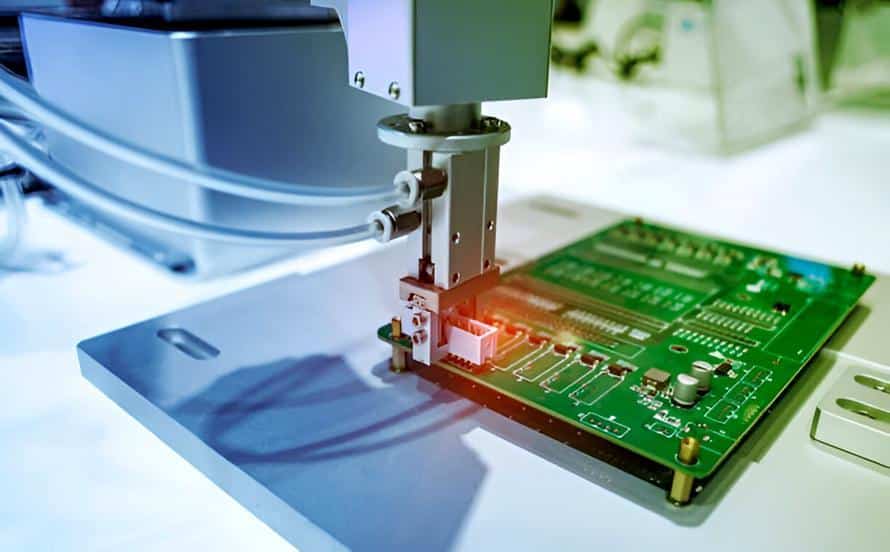
Rigid flex PCB assembly is an advanced circuit board manufacturing approach that combines rigid and flexible substrates into a single integrated structure. This technology enables complex electronic systems to achieve higher reliability, reduced size, and improved electrical performance compared to traditional rigid or flex PCBs alone. As modern electronics demand compact designs and high functionality, rigid flex PCB assembly has become a preferred solution across multiple industries, including aerospace, medical, automotive, and consumer electronics.
Understanding Rigid Flex PCB Assembly
Rigid flex PCB assembly refers to the process of assembling electronic components on circuit boards that integrate rigid sections with flexible interconnections. Unlike conventional PCBs, which are entirely rigid or flexible, rigid flex boards combine both structures to deliver mechanical stability and design flexibility. This hybrid structure allows designers to eliminate connectors and cables, resulting in simplified assembly and enhanced reliability.
In rigid flex PCB assembly, flexible layers are laminated between rigid layers, creating a unified board that can bend, fold, or twist while maintaining structural integrity. This capability makes rigid flex PCB assembly ideal for applications where space constraints, vibration resistance, and durability are critical factors.
Structure and Materials in Rigid Flex PCB Assembly
The structure of rigid flex PCB assembly is built using multiple layers of rigid and flexible materials. Rigid sections are typically made from FR4 epoxy glass laminate, while flexible sections use polyimide films due to their excellent thermal and mechanical properties. Copper traces form the conductive pathways, and adhesive layers bond rigid and flexible materials together.
Rigid flex PCB assembly often involves multilayer designs, where signal layers, ground planes, and power planes are strategically arranged to optimize electrical performance. The combination of materials and layered structures ensures that rigid flex boards can withstand mechanical stress, temperature variations, and environmental challenges.
Manufacturing Process of Rigid Flex PCB Assembly
The manufacturing process of rigid flex PCB assembly is more complex than traditional PCB assembly due to the integration of rigid and flexible layers.
Design and Layout
The process begins with circuit design and layout, where engineers define rigid and flexible areas, bending zones, and component placement. Design optimization is crucial in rigid flex PCB assembly because improper layout can lead to mechanical failure or signal integrity issues.
Fabrication of Rigid and Flexible Layers
Rigid flex PCB assembly involves fabricating rigid and flexible layers separately before lamination. Flexible layers are etched with copper traces, while rigid layers undergo drilling and plating processes. Precision in fabrication ensures accurate alignment and reliable electrical connections.
Lamination and Bonding
During lamination, rigid and flexible layers are bonded together under controlled temperature and pressure. This step is critical in rigid flex PCB assembly because it determines the mechanical strength and flexibility of the final board.
Component Assembly and Soldering
After lamination, electronic components are mounted on the rigid sections of the board. Surface-mount and through-hole technologies are commonly used in rigid flex PCB assembly. Reflow soldering ensures secure and reliable connections between components and copper pads.
Testing and Quality Assurance
Rigid flex PCB assembly undergoes rigorous inspection and testing, including electrical testing, mechanical stress testing, and environmental reliability assessments. These tests ensure that the assembled boards meet performance and durability standards.
Advantages of Rigid Flex PCB Assembly
Rigid flex PCB assembly offers significant advantages in modern electronics design. The integration of rigid and flexible structures reduces the need for connectors, cables, and separate boards, resulting in smaller and lighter electronic systems. Enhanced signal integrity and reduced electromagnetic interference are additional benefits of rigid flex PCB assembly.
Another key advantage is improved reliability. By eliminating mechanical connectors and solder joints, rigid flex PCB assembly minimizes potential points of failure. This makes rigid flex boards suitable for high-performance and mission-critical applications.
Applications of Rigid Flex PCB Assembly
Rigid flex PCB assembly is widely used in industries that require compact, durable, and high-performance electronic systems. In aerospace and defense, rigid flex boards are used in avionics, communication systems, and navigation equipment. In medical devices, rigid flex PCB assembly enables the development of compact diagnostic and monitoring equipment. Automotive electronics, wearable devices, smartphones, and industrial automation systems also benefit from rigid flex PCB assembly due to its design flexibility and reliability.
Challenges in Rigid Flex PCB Assembly
Despite its advantages, rigid flex PCB assembly presents technical challenges. The design process requires specialized expertise to ensure proper bending radius, stress distribution, and signal routing. Manufacturing rigid flex boards is also more complex and costly than traditional PCBs due to advanced materials and processes.
However, with proper design strategies and experienced manufacturing partners, these challenges can be effectively managed. Continuous advancements in materials and manufacturing technologies are further improving the efficiency and scalability of rigid flex PCB assembly.
Future Outlook of Rigid Flex PCB Assembly
The demand for rigid flex PCB assembly is expected to grow as electronic devices become more compact and multifunctional. Emerging technologies such as IoT, 5G communication, and wearable electronics are driving the adoption of rigid flex boards. As manufacturing processes become more automated and precise, rigid flex PCB assembly will continue to play a crucial role in next-generation electronics development.
Conclusion
Rigid flex PCB assembly represents a powerful solution for designing compact, reliable, and high-performance electronic systems. By combining the strengths of rigid and flexible PCBs, this technology enables innovative product designs and enhanced durability across diverse industries. For businesses seeking advanced manufacturing solutions and consistent quality, partnering with professional PCB assembly services ensures efficient production, rigorous quality control, and scalable solutions tailored to complex rigid flex PCB assembly requirements.